


Trauma
Distressing events aren’t inherently traumatic, but the way we process them and with whom greatly influences our long-term well-being. In some cases, we may remain stuck in painful patterns of emotional overwhelm, avoidance, and hypervigilance. Exploring these with our clients is among our most sacred and challenging work.
Here, you’ll read perspectives on PTSD, collective trauma and communal healing, moral injury, and Adverse Childhood Experiences (ACES). These articles examine what constitutes trauma-informed care and how we can best hold space for our clients.
Learn from Bruce Perry, Bessel van der Kolk, Janina Fisher, Peter Levine, Nadine Burke-Harris, Jack Saul, Frank Anderson, Babette Rothschild, Bruce Ecker, Dick Schwartz, Gabor Maté, and other trauma experts.


Finding Choice in the Dissociative Process
Grounding, Somatic Resourcing, and Other StrategiesAdverse Childhood Experiences (ACES)
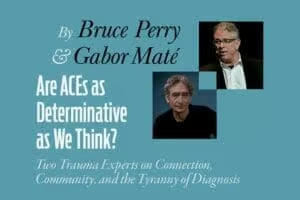
ACE studies continue to reveal how childhood trauma can increase risks for chronic disease, addiction, and mental illness. Dive into stories that examine leading research, early trauma’s health implications, and other nuanced topics.



Collective Trauma & Communal Healing
To treat the wounds of collective trauma effectively, we must look beyond individual treatment to address the social roots of suffering. In these articles, find insights into effective responses from Esther Perel, Bessel van der Kolk, and other leaders in the field.

Complex Trauma
These articles explore complex PTSD, dissociative identity disorder, intergenerational trauma, and more. Read more to discover approaches for healing deeply embedded relational wounds.



Dissociation
Dissociative symptoms can sometimes signal trauma too profound to process in real time. These articles offer thoughtful reflections on the role of grounding in treating dissociative disorders, busting common myths around dissociation, the debate around IFS and integration, and more.



Intergenerational Trauma
Understanding how unhealed trauma lives in bodies and family dynamics helps therapists address patterns that seem mysterious until viewed through a multigenerational lens. Learn from Linda Thai, Frank Anderson, and others about breaking intergenerational cycles.



Posttraumatic Stress Disorder (PTSD)
Despite our growing understanding, traditional therapeutic frameworks continue to miss critical dimensions of effective treatment for PTSD. Expand your clinical knowledge with in-depth reflections on topics related to PTSD, including moral injury, trauma myths, and more.

Trauma-Informed Care
Trauma-informed practice challenges us to more deeply explore and understand how traumatic experiences reshape clients’ bodies and minds. The pieces in this category explore topics including trauma treatment approaches, post-traumatic growth, humor in trauma work, and more.



Despite exposure to trauma, many survivors experience well-being. So why does everything we read suggest that healing from trauma is the exception? Read more

Moral injury is finally gaining recognition—in grad schools, social media, and even our diagnostic bibles. But how do you treat a wound of the soul? Read more

As a field, we're adept at healing injuries. But what are we doing to prevent injuries from occurring in the first place? Read more

Dissociation in our sessions isn’t obvious—one trauma expert has learned through trial and error how to sense it and respond. Read more

Years ago, neuropsychiatrist Dan Siegel’s client recovered from DID—and now she’s showing therapists what’s possible for their own clients. Read more

Trauma treatment pioneer Janina Fisher gives a brief history of a misunderstood trauma symptom—and shares practical tools for spotting and treating it. Read more

Two leading experts in trauma and dissociation have figured out what’s getting in the way of trauma recovery—and what to do about it. Read more

In her book "What's True About You," Katherine Woodward Thomas invites us to shift from grieving the past to creating the future we want. Read more

A therapist reflects on intergenerational trauma, silence, and inherited stories. Read more

For adult children of addicts who've distanced themselves from their painful pasts, interventions that require them to show rather than tell can be... Read more

Healing doesn’t always start with crying. Sometimes it begins with a snort-laugh in a quiet office. Read more

Linda Thai takes a holistic approach to healing from trauma, addiction, and attachment wounding—one that includes reverence for our bodies, nature, and time... Read more

One psychiatrist and 14 grandmothers in Zimbabwe access a vital, untapped resource for providing mental health support. Read more

A renowned trauma expert tracks the historical contours of our culture's ambivalent relationship with trauma—and shares his hopes for the field. Read more

What does it mean to forgive, anyway? And do trauma survivors really need to forgive their abusers in order to heal? Read more

How do you navigate toxic positivity, and other forms of spiritual bypass, when it’s a block to processing trauma? Read more

A bicultural daughter of immigrants struggles to make sense of her identity as she mourns a grandmother she barely knew. Read more

The stories of four teenagers in the Muscogee Nation illustrates the power of community, myth, and spirituality in healing trauma. Read more

How do we empower kids in the midst of big environmental challenges? Read more

For one trauma therapist, parenting turned out to be the ultimate trial by fire—and a path to healing and wholeness. Read more
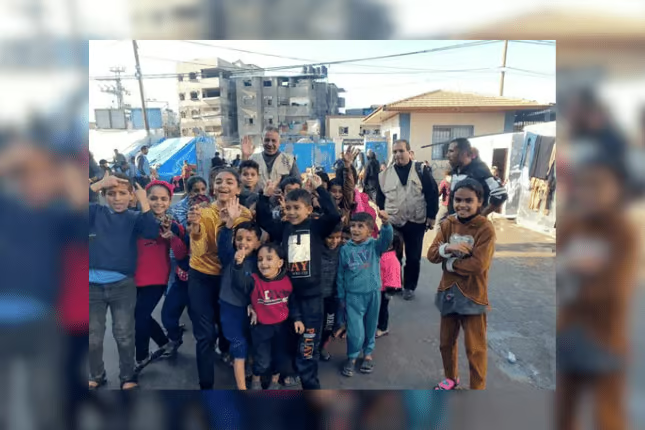
James Gordon shares about a clinician's powerful mental health work on the frontlines of the war in Gaza. Read more
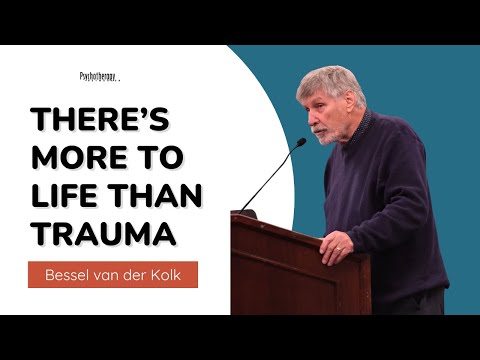
From his Symposium workshop, Bessel van der Kolk singles out the one question therapists should be asking their traumatized clients. Read more

Partners who associate love and intimacy with the painful family dynamics of their formative years can get stuck in a familiar bond that’s hard to shake... Read more
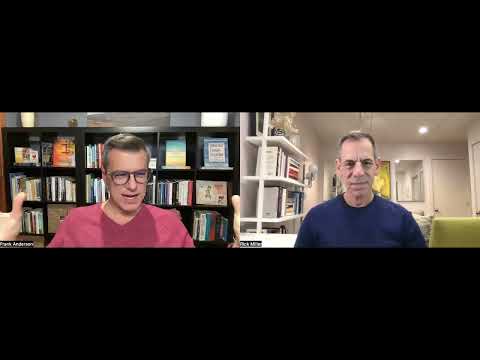
Learn more about leading trauma expert Frank Anderson and how he's taking his insight and expertise to new places. Read more
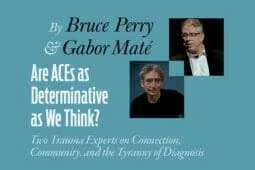
Two leading trauma experts discuss the power of enduring relational work and how our current medical model creates a moral injury for therapists. Read more
Research shows that the bigger driver of suicide amongst veterans isn’t PTSD, but moral injury. Understanding what moral injury is and how it’s distinct... Read more
A pioneer in somatic trauma treatment reminds us that humans have recovered from trauma for thousands of years without our favorite therapy approaches. Read more
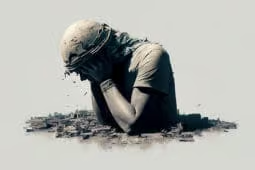
Because moral injury—one of the most significant contributors to the high rate of suicide among U.S. veterans—is rooted in conscience, not fear... Read more

We all dissociate in some way to cope with the uncertainties of life, so why are people with dissociative identities often feared and misunderstood, even by... Read more
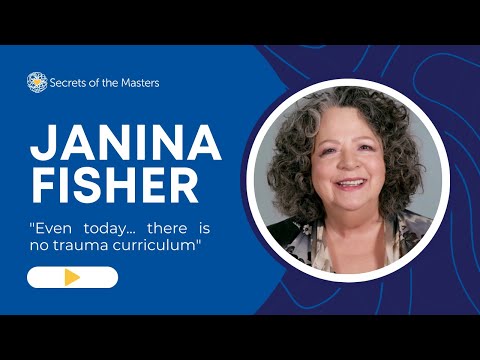
Janina Fisher reflects on the beginning of her career and how differently we've viewed trauma in psychotherapy through the years. Read more
.svg)