


Neurodivergence
Our understanding of autism and how to support neurodivergent clients of all ages has rapidly evolved in recent years. Validation, accommodation, and community are critical to helping people heal from the widespread isolation and trauma that result from being misunderstood. Whether we’re helping clients grapple with a late-life diagnosis, working with parents of autistic children–or children themselves–our practices must be up to date.
These articles unpack topics including ADHD, PDA (Pathological Demand Avoidance), autistic burnout, neurodivergent couples therapy, and more.
Learn from Kory Andreas, Casey Ehrlich, Tasha Oswald, Diane Gould, and others.


What We're Missing in ADHD Treatment
Rethinking Consequences, Skill Gaps, and ResponsibilityAttention-Deficit/Hyperactivity Disorder (ADHD)
Discover how to help clients unmask hidden symptoms and build lives that function well while embracing their neurodivergence. Topics include executive function challenges, embracing self-compassion, and more.



Autism & Neurodivergent-Affirming Care
These articles explore what it takes to offer effective, affirming care to neurodivergent clients across the lifespan. Learn more from leaders in the field including Kory Andreas and Tasha Oswald.



Pathological Demand Avoidance (PDA)
These articles explore the shifting understanding of PDA as a profile of autism and emerging approaches that honor autonomy while effectively supporting PDA clients and their families.





Kory Andreas explores how PDA-driven dysregulation can turn love into blame, and why partners can't fix what isn't theirs. Read more

A psychiatric nurse practitioner, once misdiagnosed and overmedicated herself, shares why millions of autistic adults are being treated for the wrong... Read more

Going no-contact is a last-resort boundary some autistic adults set when other attempts to set limits with family members have failed. Read more

On the surface, autistic burnout may present like depression in neurotypical clients, but treatment is considerably different. Read more
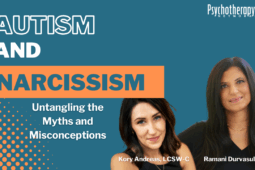
Dr. Ramani Durvasula and Kory Andreas discuss why autism and narcissism are often misconstrued in intimate relationships. Read more
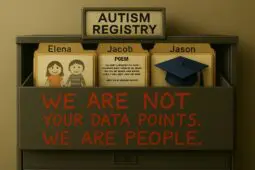
Misinformation about autism harms families, undermines progress, and diverts attention away from evidence-based practices that prevent neurodivergent burnout. Read more

Tried-and-true behavioral strategies have been failing spectacularly in households with Pathologically Demand Avoidant children. Helping PDA families feel safe... Read more

Vulnerable nervous systems that are in chronic distress require a unique approach to understanding and creating a felt sense of safety. Read more

For many Autistic people, the trauma they carry is a result of society treating them like broken neurotypicals. Neuro-affirming care begins with providing... Read more

Neuro-affirming intakes need to begin with doing no harm. Read more

The overlap between autism and eating disorders is poorly understood, even by many eating disorder specialists. Read more

What would you do if your active but chronically dysregulated four-year-old stopped speaking, eating, and moving, and everyone you turned to for... Read more

Couples therapy was designed for neurotypical people—yet we know that neurodivergence is everywhere. How can we better identify, help, and support... Read more

When it comes to teens who’ve found belonging and understanding in the autism community, our job is more about validating than diagnosing. Read more

Increasing numbers of young people are wanting the validation of an autism diagnosis, even when assessments reveal they don’t meet the criteria. Read more

Parenting with untreated adult ADHD poses inherent difficulties for the entire family. Read more

The strongest couples are the ones who are open to help—the ones who can surround themselves with allies, inviting others into the trenches with them. Read more

Is there an alternative to applied behavioral analysis for children on the spectrum? Read more

Four simple ingredients will become bread, whether you do everything right or not. The result may not be perfect, but it doesn’t have to be. Read more

A nine-year-old boy with severe behavioral challenges suddenly throws a full plate of food onto the school cafeteria floor. The consequence? His... Read more

A therapist shares six homeschooling strategies that have served him well in helping the parents and support networks of children with ADHD. Read more

Rather than a curse, ADHD expert Ned Hallowell believes this diagnosis comes with vast strengths. Read more

A controversial method makes talk therapy possible for people who don’t talk. Read more
By Christina Emanuel - Ryan’s reputation arrived before he did: brilliant, oppositional, angry, a general pain in the butt, and autistic. Over the years, he... Read more
An young woman with autism celebrates a very special night. Read more

Author Steve Silberman discusses what it means to view autistic people as individuals seeing the world in a different way, rather than just a checklist of... Read more
Adults with Asperger's syndrome often behave as if they were confused actors walking onto a stage and being the only ones who don't know the lines or the plot... Read more
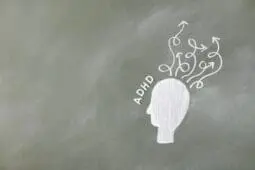
Clients with ADHD often know the coping skills that can improve their lives—the problem is applying them in daily life. Read more

Part of the epidemic of misdiagnosed ADHD in young children today results from a failure to understand how trauma often leads to difficulty learning in school. Read more
.svg)