


Attention-Deficit/Hyperactivity Disorder (ADHD)
ADHD affects countless children and adults, yet it remains widely misunderstood and frequently misdiagnosed. Clients with ADHD often come to us struggling with shame, having internalized years of criticism about being “lazy” or “unmotivated.” Effective treatment helps clients move beyond these interpretations to embrace self-compassion and develop strategies that work with, instead of against, their instincts.
These articles explore procrastination, executive function challenges, and approaches for depathologizing ADHD. Discover how to help clients unmask hidden symptoms and build lives that function well while embracing their neurodivergence.

What We're Missing in ADHD Treatment
Rethinking Consequences, Skill Gaps, and Responsibility
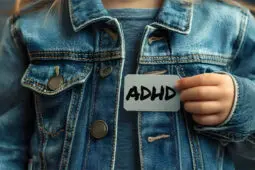
The stories children make up about why they’re different are the real risk of leaving ADHD unlabeled, despite what many parents believe. Read more

A physician and bestselling author shares the science behind his perspective on how stress and environment affect ADHD. Read more

In clients with ADHD, rejection sensitivity is what a nervous system learns after years of correction and misattunement. Healing requires relational... Read more

For many girls and women, ADHD hides behind depression, anxiety, and hormonal changes we should all be more aware of. Read more

Unrecognized ADHD can travel through families as a legacy of failure, until an accurate diagnosis rewrites the story. Read more

The same brain that helps ADHD therapists excel in the therapy room can make documentation feel impossible. Read more

How do therapists help clients whose nervous systems are caught between two contradictory sets of needs? Read more

A therapist shares six homeschooling strategies that have served him well in helping the parents and support networks of children with ADHD. Read more

Rather than a curse, ADHD expert Ned Hallowell believes this diagnosis comes with vast strengths. Read more
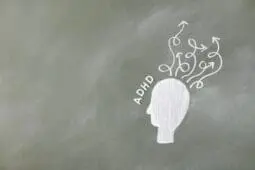
Clients with ADHD often know the coping skills that can improve their lives—the problem is applying them in daily life. Read more

Part of the epidemic of misdiagnosed ADHD in young children today results from a failure to understand how trauma often leads to difficulty learning in school. Read more
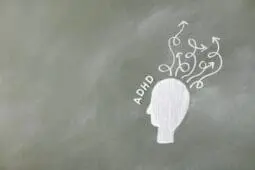

A therapist shares how to help adult clients with ADHD be successful in therapy. Read more

How the world looks to a 10-year-old with a learning disability. Read more

The real diagnosis hiding behind client's failed marriages, rage, and shame isn't always easy to spot. Read more

Millions of learning-disabled adults rely on intellectual guerrilla tactics to survive. Read more
.svg)