


Children, Parents & Families
All clients exist in a network of family relationships--as someone's child, sibling, parent, or grandparent. Exploring familial bonds can help clients make sense of attachment patterns and improve relationships with partners, children, and others. In these articles, we dive into the issues shaping and influencing child and adolescent mental health. You'll learn how therapy's thought leaders address family dynamics, from working with boundaries and cutoffs to early attachment, parental neglect, and child abuse. Learn from Nedra Glover Tawwab, Lindsay Gibson, Sal Minuchin, Mona Delahooke, Lori Gottlieb, and others.

The Clinician Game Master
How Dungeons & Dragons Can Help Clients Explore New Skills
Why Gen-Alpha Slang Matters More Than You Think
Exploring What It Really Means in TherapyBoundaries & Cutoffs
How do you know when to support a client's decision to cut off contact with someone in their life? Articles in this category explore how to help people pleasers learn to set limits and families navigate painful rifts and estrangements. You'll find nuanced takes on strengthening personal boundaries without collapsing into defensiveness and on repairing relationships after years of distance or hostility. Explore case-based reflections to help you differentiate self-protection from avoidance and better support clients in crafting boundaries that honor both safety and connection.



Child & Teen Therapy
Children and adolescents rarely arrive in therapy able, let alone willing, to name what's wrong. Instead, distress often presents itself through behavior, withdrawal, family conflict, or school struggles. Working effectively with young clients presents unique challenges as you must often learn to emphasize attunement over technique and to view your presence as a central intervention. These pieces explore how to engage caregivers, navigate school-related complexities, and translate developmental theory into interventions. Learn how to better support regulation, resilience, and healthy identity formation in child and teen clients.



Early Attachment
A child's earliest relationships can create lifelong templates for regulation, self-worth, and connection. In some cases, those templates don't serve them well later in life and can be passed on to the next generation. Articles in this category explore working with attachment traumas and supporting overwhelmed caregivers so they can more fully connect with their children. You'll find guidance on attunement and coregulation, as well as practical strategies for repairing early misalignments in both child and adult treatment. Across personal narratives, case examples, and skills-focused teaching, these stories offer a clinically rich look at how small moments of responsiveness and curiosity can open new developmental pathways.


Family Dynamics
Every client you work with will have a slightly different idea of what it means to exist within a family. And the way those families are formed, whether by marriage, divorce, genetics, or choice, will be as varied as your clients themselves. Articles in this category explore how the relational patterns we're born into ultimately shape our view of, and experiences with, the world and ourselves. These articles follow clients through DNA surprises, family transitions, conflicted sibling ties, and the quiet rituals that hold familial relationships together. Throughout, you'll find stories and insights into therapy's role in helping real families that have lived, clashed, and grown together across the lifespan.



Parental Neglect & Child Abuse
When children's protectors become a source of pain, the fallout can last a lifetime. These articles explore the profound impact of mistreatment, neglect, and abuse by caregivers. You'll find reflections on, and clinical insights into, working with survivors of parental abuse and abandonment. Learn processes for mitigating self-blame, addressing trauma triggers, and understanding the effects of neglect in shaping a child's self-image as they develop.




Parenting
These articles explore what it means to care for children in the everyday messiness of modern-day life. They delve into challenges from the storm of postpartum life to the relentless pressure of cultural expectations. You'll find vivid accounts of raising neurodivergent and medically complex kids, navigating behavioral challenges, and attempting to build genuine connection with kids even as technology and social media attempts to lure them away. Learn how to best support parents as they handle the daily pressure and never-ending task of raising emotionally healthy and resilient children in today's world.




Parental guilt is often misunderstood by clinicians. The Change Triangle can bring this tricky emotion out into the open and help people work through it. Read more

Decades later, a psychotherapist returns to summer camp, this time as an employee, and discovers the true meaning of growth and community. Read more

Genetic testing has led to shocking "DNA discoveries"—secrets unburied, followed by pain, grief, and trauma. Here's how therapists can help. Read more

Are some things really best left unsaid? Years after a near-death experience, a father contemplates telling his daughter what kept him alive. Read more

Here's a four-step exercise therapists can use to help survivors of parental abandonment process trauma triggers. Read more

We all know that there’s no such thing as a “perfect” parent, but even so, many parents hold themselves to unreasonably high standards. Read more

An unflinching look into a shadowy corner of the for-profit troubled teen industry: wilderness therapy. Read more

A mother’s lonely quest to help her undiagnosed Autistic child leads her on a wild goose chase for solutions. Read more

Given our culture's incessant messages about the joys of motherhood, it's critical for therapists to help new moms to speak openly and honestly about their... Read more

Here's a five-step process for working with survivors of parental abandonment that helps mitigate self-blame and build trust with the therapist. Read more

The way neglect can shape a child’s brain is often misunderstood. Read more

Do interpersonal conflicts about environmental choices require a unique approach to boundary setting? Read more

The prescriptive, one-size-fits-all version of “gentle parenting” promoted on social media may work with many kids, but for parents of “big reactors,”... Read more

Building a trusting relationship with a surrogate requires a wide array of interpersonal and self-regulation skills— and can be the ultimate exercise in... Read more

Rather than a deficiency, “mommy brain” is an asset—and therapists can help their clients embrace it in the workplace. Read more

With so many newer approaches focusing on here-and-now experiences, are we forgetting about psychotherapy’s foundation of exploring childhood wounds? Read more

Understanding the impact of “resemblance talk” and the challenge of “parental claiming” can help the parents of donor-conceived children feel... Read more

What happens when a whole generation of children are overprotected on the playground and underprotected online? Read more

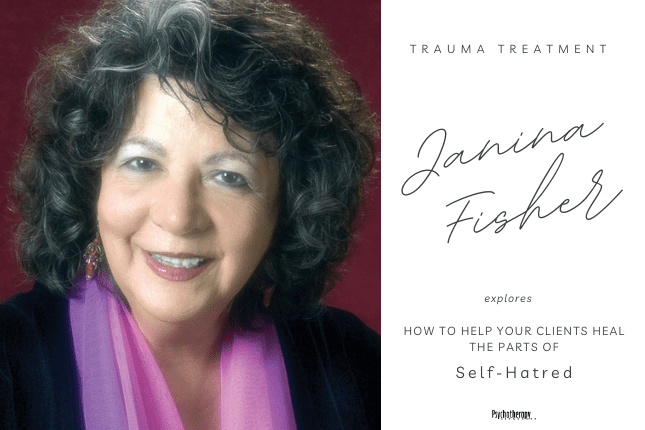
Janina Fisher explores how to help your clients heal the parts of self-hatred and treat attachment trauma. Read more

A family with stark religious differences finds its way. Read more

The PACE attitude is a way of interacting with your child, especially around difficult topics or situations, that will help them feel less defensive and more... Read more

Is there anything trickier for modern-day parents than separating a 13-year-old from an iPhone, even if it’s just for a few days? Read more

Author Lindsay Gibson reveals how exploring our parents’ emotional lack of maturity can free us up to become more emotionally mature ourselves. Read more

In a world that seems to reward narcissists, how can we help parents raise kind, empathetic kids with a healthy, balanced sense of self? Read more

When a hoarding mother won’t face her illness, what choice does a daughter have? Read more
Senior writer/editor Alicia Muñoz talks with author, therapist, and Instagram influencer Nedra Glover Tawwab about boundaries and maintaining drama-free... Read more

Nedra Glover Tawwab challenges the common cultural misconception that toxic people should be cut out of our lives, no questions asked. Read more

How remarried families can reexamine their roles. Read more

Before we learn verbal language, we communicate through our bodies, making mothering a physical act of love. Read more

Eve Rodsky is on a mission: to rebalance the "mental load" that many women still unfairly shoulder in domestic life, affecting their physical health... Read more
.svg)