

Neuroscience & Brain-based Practices
This category brings together writings on how neural systems, body states, and personal experiences interact to shape human experience and impact mental health.
These pieces range from Dan Siegel’s work in interpersonal neurobiology to accessible explanations of negativity bias and how we can apply the findings of brain science to the everyday practice of therapy. They explore neurofeedback, brainspotting, the “overwriting” of traumatic memories, and strategies for helping anxious or angry clients regulate in session. Learn more about these expanding, nuanced topics from experts in the field as they dive into their triumphs, limitations, and ethical considerations.



Bruce Ecker shows how to apply the process of memory reconsolidation to bring about transformational change and therapeutic breakthroughs. Read more

Dan Siegel, author of Brainstorm: The Power and the Purpose of the Teenage Brain, knows that nobody—especially an angst-filled teenager—likes being told... Read more

In this brief video clip, Margaret Wehrenberg, cognitive behaviorist and author of The 10 Best-Ever Anxiety Management Techniques, offers some facts about the... Read more
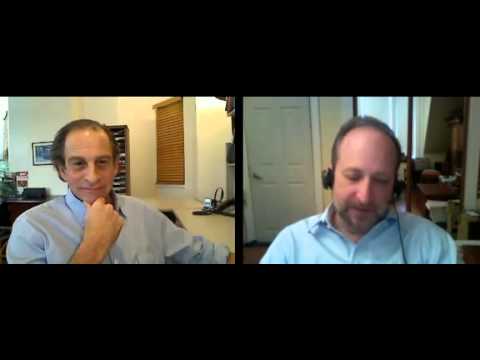
Psychiatrist and author Norman Doidge believes that while the brain has an astonishing capacity for change, brain plasticity doesn’t always work out for the... Read more

It’s one thing to throw around the scientific-sounding language of brain science, it’s another to actually develop concrete clinical procedures based on... Read more

According to Margaret Wehrenberg, when it comes to clients with panic disorders, the first thing to discern is what they’re doing to avoid panic. “The... Read more

Until recently, the impact of brain science on the everyday work of most therapists has been pretty limited. According to Rick Hanson, that’s because we’ve... Read more
Brain games and grad prospects Read more

The increasing popularity of neurofeedback is based on the growing evidence that a wide variety of psychological disorders can be understood as firing mistakes... Read more

For nearly 20 years, psychiatrist Daniel Amen has led a controversial crusade to make brain imaging an accepted part of psychotherapeutic practice. Read more

It’s commonly suggested that depression results from seeing reality too clearly. Repression, denial, and humor grease the social wheels and lead us to put a... Read more

In this video clip, Rick talks about how to activate positive mental states and help clients embody them so that they become permanent resources. Read more

Labeling behavior in fancy neurophysiological terms can make what we do sound more scientifically rigorous than the notoriously fuzzy language of... Read more
If therapists are going to bring genuine insights—not just soundbites—from neuroscience into the practice of therapy, they need the nuanced, sophisticated... Read more

Much can be made of the power of positive thinking, but the real question is, why do we tend toward the negative in the first place? Read more
When thinking about the general evolution of humans, we primarily compare ourselves to our chimp-like ancestors. But when it comes to the specific evolution of... Read more
It’s usually easy to see when clients are tuned out or turned off, simply not absorbing what you’re trying to get across. What’s puzzling is when things... Read more

Michael Gelb discusses time-tested wisdom that helps people change their lives. Read more

Psychotherapy Networker Founder Rich Simon listens to Dan Siegel about neuron "sponges," empathy, and how it all impacts depression. Read more
Psychotherapy Networker Founder Rich Simon talks to Rick Hanson about negativity bias and how it can be one of the biggest challenges to helping clients... Read more

New research into the complexities of memory reconsolidation offers important clues about how we can make the most elusive of consulting room events—the... Read more

Therapists were doing helpful work long before neuroscience made its official debut and the field developed a collective case of “brain fever.” In fact, at... Read more
People seek us out because they want change. Some want to be less anxious or less depressed, some want to be better able to control themselves in interactions... Read more

Our growing understanding of attachment and the processes that shape the parenting brain are opening new possibilities for helping stressed-out parents who are... Read more
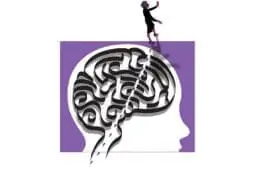
Putting the power of neuroplasticity to work in the consulting room. Read more

Neuropsychiatrist Louann Brizendine has stirred up plenty of controversy by arguing that men and women have very different brains. Read more

As we learn more about the brain, it becomes apparent that therapists need to pay at least as much attention to the body and nervous system (both their own and... Read more

For the firs time, we're beginning to understand how to directly delete emotional meanings attributed to disturbing past events. Read more
How to get through to clients caught in fight-flight-freeze mode. Read more
Clinicians have long considered theories that emphasize inborn predispositions as antiquated and even reactionary. but the work of researchers like Jerome... Read more
.svg)