

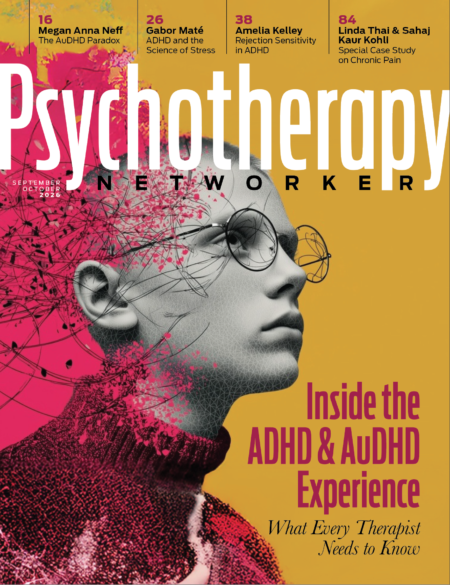
Neuroscience & Brain-based Practices
This category brings together writings on how neural systems, body states, and personal experiences interact to shape human experience and impact mental health.
These pieces range from Dan Siegel’s work in interpersonal neurobiology to accessible explanations of negativity bias and how we can apply the findings of brain science to the everyday practice of therapy. They explore neurofeedback, brainspotting, the “overwriting” of traumatic memories, and strategies for helping anxious or angry clients regulate in session. Learn more about these expanding, nuanced topics from experts in the field as they dive into their triumphs, limitations, and ethical considerations.



Recognizing the uncanny ways empathy arises in the body can shift how you deepen attunement with clients. Read more

Can the way out of anxiety, binge eating, and worry be learned with the right kind of attention? Read more

Daniel Kahneman, bestselling author of "Thinking Fast and Slow," explores how therapists can help clients change bad habits that cause misery. Read more

Our field's foremost brain expert connects the dots between scientific advances and our field's evolving view of mental health. Read more

Therapists tend to assume all their clients can visualize safe places and past experiences. But some can’t! Read more

Many people who've tried neurofeedback say it's the closest thing therapy has to a silver bullet. So why aren't more therapists using it? Read more

The way we think about connection and relationships can play a pivotal role in reverse-engineering the climate crisis— and therapists need to help. Read more
A look at the rise, mysteries, and controversies of Brainspotting, David Grand’s popular trauma-processing technique. Read more

How might girls’ sensitive threat-response system affect their mental health amid a relentless barrage of distressing cues from social media? Read more

How can neurofeedback help people tailor their meditation practice to help with their mental health concerns? Read more

Pulling back the curtain on the mysterious and often misunderstood reconsolidation process can bring greater precision and depth to our interventions. Read more
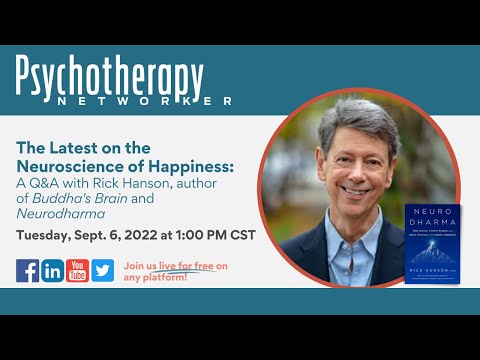
Networker sits down with Rick Hanson to discuss how to better apply the principles of neuroscience. Read more
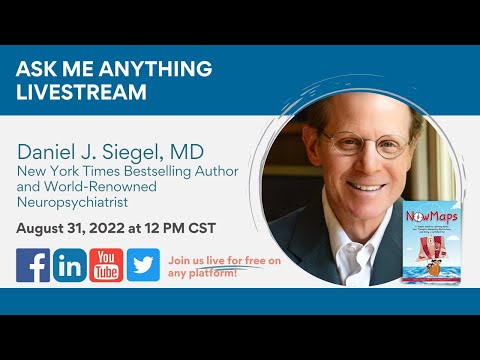
Daniel J. Siegel, New York Times bestselling author and world-renowned neuropsychiatrist, joined us for an Ask Me Anything LIVE virtual event! Read more

Thinking about behavior only in terms of reinforcement and consequence is outdated. It’s not mind over matter. It’s both. Are new therapists getting that... Read more

Our minds are more than what happens inside our skulls, and even in our bodies. They’re fully embodied, and they’re fully relational. Here are seven daily... Read more

As a practicing therapist today, it’s easy to succumb to the allure of brain science, says neuropsychologist and author Rick Hanson. Mirror... Read more

It’s hard to think of anyone who's had more influence on our field than neuropsychiatrist Dan Siegel. His far-ranging keynote proposed that the integration... Read more

In his Symposium address, Dan Siegel challenged some common myths about adolescence and suggested that the aspects of adolescence that can drive us... Read more

Dan Siegel knows that nobody—especially an angst-filled teenager—likes being told what to do. That’s why he takes a more roundabout approach to... Read more

With all the buzz about brain science, is it possible to lose sight of the mind? Dan Siegel, a pioneer in the applications of brain science to psychotherapy... Read more

Neurofeedback has brought a powerful new technology into the consulting room. Read more

Is it possible to overcome the typical oppositional response of a client with anger issues? According to Ron Potter-Efron, the key to working effectively with... Read more
In his 2017 Networker Symposium keynote address, neuropsychiatrist Daniel Siegel challenged the audience to move beyond the limiting concept of the “separate... Read more

According to Dan Siegel, understanding the connection between the brain and the miraculously various operations of the human mind and body is the first step in... Read more

The brain endlessly churns out predictions about what will happen next, and when it comes to therapy outcomes, these expectations matter. Read more

Traumatic experiences are often the root of athletic and other kinds of performance blocks. Read more
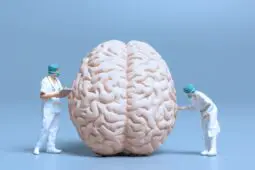
Brain science offers powerful guidance for freeing clients from the distress triggered by disturbing implicit memories. Read more

A conversation with motivation expert Carol Dweck on the importance of the “growth mindset” and how to enhance people’s ability to tackle adversity and... Read more

In this brief clip, Rick walks us through surprisingly simple steps that can shift our memory systems to internalize positive experiences and states with equal... Read more

Lou Cozolino believes that attachment theory and neuroscience may offer the key to transforming our troubled educational system. Read more
.svg)