

Perspectives on the DSM & Diagnoses
The DSM has long been our most influential and controversial diagnostic tool. Critics argue that it pushes us to pathologize normal human experiences, while supporters maintain that diagnostic frameworks are essential for treatment and research. Understanding the ongoing debates around its benefits and shortcomings helps therapists use diagnoses thoughtfully rather than allowing labels to oversimplify the complexity of human experience.
These articles explore the DSM’s evolution, controversial diagnoses, and far-reaching impacts on the field. And they also document the history, controversy, and benefits around certain diagnoses. Learn from Allen Frances, Mona Delahooke, Frank Anderson, and others about successfully navigating the tension between useful categorization and harmful pathologization.
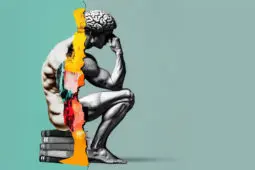
Why We Need a Diagnostic Revolution
Steven Hayes (ACT) on Developing a More Holistic Psychotherapy

When a client's romantic obsession looks like a mix of OCD, hypomania, and anxious attachment, therapists need to consider a different explanation. Read more

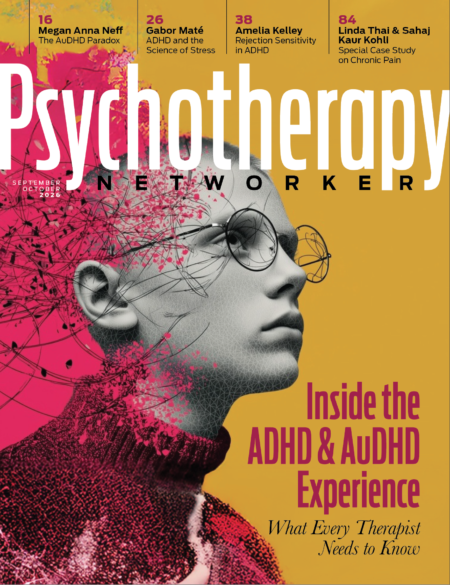
A narrative approach to autism assessment may be the only real path to an accurate diagnosis for high-masking people. Read more

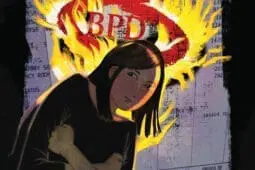
Few diagnoses intimidate therapists more than BPD. The reality is far less frightening. Read more

By obscuring the truth about kids’ adaptive responses to stress, the ODD diagnosis interferes with genuine solutions and effective treatment. Read more

Take a magical journey beyond the DSM’s pathologizing legacy to a place where therapists can name and categorize suffering, while still taking into account... Read more

Although people might benefit from the sense of certainty that accompanies a self-diagnosis, it can also mislead them into embracing a fixed—or even a... Read more

A lot can go awry when you identify a person with a disorder—but avoiding diagnosis altogether isn’t always the right solution either. How are therapists... Read more

Allen Frances, formerly of Duke University, wrote the clinical diagnosis for narcissistic personality disorder that first appeared in the third edition of the... Read more
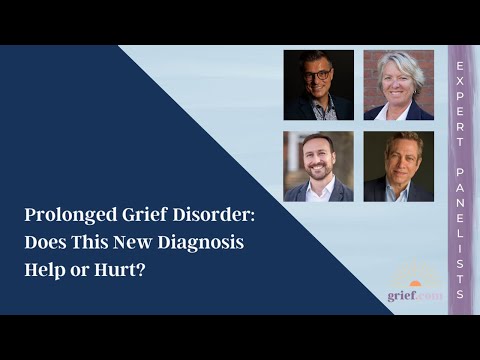
What does the diagnosis of prolonged grief disorder mean to clinicians and grieving individuals? Read more
Therapists need to consider not only what diagnosis to give, but also the pain or hardship that can result from sharing it with a client. Read more

The story of the Gavins—a family of 12 children, six of whom suffered from schizophrenia—sheds new light on the nature vs. nurture debate. Read more

Have we unfairly pathologized clients diagnosed with borderline personality disorder? Read more

Pioneering trauma specialist Bessel van der Kolk took aim not only at the politics within the therapy field that determine what diagnoses get into the DSM, but... Read more
Diagnosing and treating mood disorders can be tricky, especially when it comes to an often overlooked, subtle form of bipolar II. Read more

During the false memory controversies of the 1990s, many therapists saw Elizabeth Loftus, one of the most honored psychologists in the history of the field, as... Read more

“When DSM-III came out and the major depression diagnosis was created,” Gary tells us in this brief video clip, “it was immediately clear that many... Read more
Allen Frances—author of "Saving Normal: Has Psychiatric Diagnosis Gotten Out of Control?"—is one of DSM-5’s most outspoken critics, but his ultimate... Read more
Rather than continuing to lament the deficiencies of DSM-5, forensic psychiatrist David Mays wants to focus on what's ahead for the psychotherapy field. In his... Read more
In this video clip, Regier talks about how the new definition of a major depressive disorder in DSM-5 better enables clinicians to diagnose clients who exhibit... Read more
Allen Frances learned first-hand how, even when motivated by the best of intentions, changes in the “bible of psychiatry” can have large-scale negative... Read more

While the publication of DSM-5 came with many surprises, few were as shocking—or as controversial—as the number of changes made to diagnosis specifiers... Read more

Asperger’s no longer exists—at least not in the DSM-5. And there are other changes, like the omission of sexual addiction, that many therapists are... Read more

Whether you’re a critic or a proponent of DSM-5, that fact that it exists and will affect your practice is undeniable. Between several new diagnoses, the... Read more

Jack Klott discusses the DSM5 and why it's a triumph in the field, despite its flaws. Read more
One of the most note-worthy changes in the DSM-5 is the abundance of new diagnoses that are included in this new edition. Many DSM-5 critics worry that this is... Read more
Martha Teater discusses a huge change in the DSM-5 that many therapists are still adjusting to—diagnosis-specific severity scales. Read more

Labeling clients with DSM diagnoses is a ritual most of us perform to get reimbursed and pay our mortgages, but few of us actually believe in. Has the time... Read more

From small insignificant beginnings in 1952, when almost nobody read it, DSM has become a kind of sacred literary monster. Today, it’s the most detested and... Read more

While the polemical debates over the new DSM have received widespread coverage, the reactions of ordinary clinicians have yet to receive much scrutiny. Read more

The vice chair of the DSM-5 Task Force is bemused that the release of what was intended to be a more accurate and rigorously researched manual has raised such... Read more
.svg)