

Perspectives on the DSM & Diagnoses
The DSM has long been our most influential and controversial diagnostic tool. Critics argue that it pushes us to pathologize normal human experiences, while supporters maintain that diagnostic frameworks are essential for treatment and research. Understanding the ongoing debates around its benefits and shortcomings helps therapists use diagnoses thoughtfully rather than allowing labels to oversimplify the complexity of human experience.
These articles explore the DSM’s evolution, controversial diagnoses, and far-reaching impacts on the field. And they also document the history, controversy, and benefits around certain diagnoses. Learn from Allen Frances, Mona Delahooke, Frank Anderson, and others about successfully navigating the tension between useful categorization and harmful pathologization.
Why We Need a Diagnostic Revolution
Steven Hayes (ACT) on Developing a More Holistic Psychotherapy

As the man responsible for the previous edition, the foremost critic of DSM-5 is perhaps the last person you’d expect to trash this latest, biggest version. Read more
In 2005, a complex trauma task force began working on constructing a new diagnosis called Developmental Trauma Disorder, which, they hoped, would capture the... Read more
David Mays talks about his disappointment in how medications are currently used and prescribed, the changes he’s seeing taking place, and what those changes... Read more
When examining the various changes made in DSM-5, Gary Greenberg finds the most controversial one to be the removal of the bereavement exclusion from the major... Read more
Despite the number of criticisms it has incurred, there was a method to the so-called madness of DSM-5. Read more
Gary Greenberg deconstructs the DSM and how it affects the field and your practice. Read more
The increasingly blurry distinction between normal and abnormal not only makes us easy targets for Big Pharma’s advertising, but also distracts us from the... Read more
Unless DSM more firmly joins the march toward biological psychiatry, it’s going to be left behind by NIMH. Read more
The American Psychiatric Association is scheduled to publish the much-delayed fifth edition of the Diagnostic and Statistical Manual (DSM) by May 2013. With... Read more

An understanding of the unconventional ways people demonstrate resilience is important in helping us avoid pathologizing clients and stop believing there’s... Read more
The controversy over whether the ever-expanding number of recommended vaccines is putting children at risk for autism. Read more
Clinical diagnoses can have more to do with politics and economics than with science and effective treatment. Read more
Bipolar disorder was first flagged as a pediatric illness in the mid-1990s, when researchers led by Joseph Biederman of Harvard and Barbara Geller of... Read more

in 1972, David Rosenhan shook the foundations of psychiatry with a classic experiment that stunningly demonstrated how the world is always warped by the lens... Read more
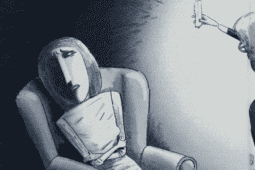
In the minds of many therapists, the borderline diagnosis has come to be a code word for trouble. To get past our sense of helplessness with these clients, we... Read more
.svg)