


The Field
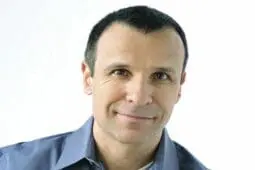
Emotional First Aid
Looking Beyond the DSMIn Emotional First Aid, Manhattan psychologist Guy Winch provides an instructional manual for handling the bumps and bruises of life. Read more

The Next Big Step
What’s Ahead in Psychotherapy’s Fascination with Brain Science?Labeling behavior in fancy neurophysiological terms can make what we do sound more scientifically rigorous than the notoriously fuzzy language of... Read more

The Great Deception
We’re Less in Control Than We ThinkMost of us put much too much faith in the power of our conscious minds to bring about lasting change. Instead of looking up the higher branches of... Read more
Moving Beyond DSM-5
David Mays on the Future of PsychotherapyDavid Mays talks about his disappointment in how medications are currently used and prescribed, the changes he’s seeing taking place, and what those changes... Read more
Examining the Most Controversial Change in DSM-5
Gary Greenberg On The Bereavement ExclusionWhen examining the various changes made in DSM-5, Gary Greenberg finds the most controversial one to be the removal of the bereavement exclusion from the major... Read more
Responding to the Critics of DSM-5
Darrel Regier On Why Diagnostic Changes Were MadeDespite the number of criticisms it has incurred, there was a method to the so-called madness of DSM-5. Read more
What's The Value Of A Diagnostic Category In The DSM?
Gary Greenberg on the Role of Economic Factors in the Shaping of the DSMGary Greenberg deconstructs the DSM and how it affects the field and your practice. Read more

What's In A Brand?
What Campbell’s and Dr. Phil KnowFor therapists, traditional ways of getting the word out—an ad here, a few hints to colleagues there, even a fancy website—just won’t cut it anymore. In... Read more
Unless DSM more firmly joins the march toward biological psychiatry, it’s going to be left behind by NIMH. Read more

Currently, there are between 100 and 150 smartphone apps designed to supplement—and occasionally even replace—face-to-face psychotherapy. In fact, the... Read more
The Many Faces Of Wisdom
Perspectives on Therapy’s QuestionsExcerpts from a series of interviews with some of the wisest souls in the field of psychology and psychotherapy on essential questions clinicians struggle with... Read more
An alarming number of children and adolescents who walk into a psychiatrist’s office in the United States each year walk out with prescriptions for powerful... Read more

The Coaching Edge
Helping Our Clients Take Their Best ShotThere are advantages to integrating an in-depth understanding of traditional therapy with a more coaching-oriented style—but therapists shouldn't lose sight... Read more
The American Psychiatric Association is scheduled to publish the much-delayed fifth edition of the Diagnostic and Statistical Manual (DSM) by May 2013. With... Read more

Fostering Moral Imagination
Empathy is a radical actIn a world where differences between people have become increasingly demonized, more than ever, the therapist's job is to help people expand their circle of... Read more
Psychotherapy's Greatest Debates
Assessing the State of the Art 2012The State of the Art, the Networker’s first-ever virtual conference, offered an opportunity for leaders in our field who disagree to debate each other... Read more
A Brief History of Psychotherapy
A Mosaic of the Psychotherapy Networker, 1982-2012Over the years, our front-of-the-book department has not only given readers plenty of tasty factoids to chew on, but also revealed how the seasons of the... Read more
The Alphabet Soup
Diana Fosha on the Convergence in Today’s TherapiesDiana Fosha talks about why so many acronymic therapies—ADEP, DBT, IFS, ACT—resemble each other, and what that says about the therapy field today. Read more

What Therapists Want
It’s Certainly Not Money or Fame!A close-up look at a 20-year, multinational study that captures the heart of therapists’ aspirations—and perhaps the soul of our professional identity. Read more

The Attuned Therapist
Does Attachment Theory Really Matter?In recent years, attachment theory, with its emphasis on early bonding, connection and relationship, has exerted as much influence over the field of... Read more

Therapy in the Round
Group Therapy Offers a Larger Arena for ChangeHow the skills of the group therapist differ from those of the individually-oriented practitioner. Read more
Telling It Like It Is
Donald Meichenbaum Doesn't Mince WordsLong an acerbic critic of the trendy and faddish, Don Meichenbaum, one of the founders of CBT, is still determined to separate myth from reality in the world... Read more

Embracing Life, Facing Death
An interview with Irvin YalomFor existential therapist Irvin Yalom, even depth-oriented therapy doesn't go deep enough. Read more
Bright-Sided
A Naysayer's Guide to Positive PsychologyA naysayers look at Martin Seligman and the Positive Psychology industry he helped create. Read more

Big Squeeze
No research? No reimbursementA tipping point has been reached in the impact that psychotherapy research results, no matter of interest only among a small circle of academic, are going to... Read more
Complexity Choir
The Eight Domains of Self-IntegrationAs unlikely as it may sound, the mathematics of complexity theory could offer us the key to the elusive secrets of mental health and personal well-being. Read more
Erickson's Legacy
Strategic therapy rests on skillful information-gatheringStrategic therapy is less about technique than a search for the information that'll illuminate the solution to your client's problem. Read more
From Revolution to Evolution
Salvador Minuchin Reflects On His Therapeutic LegacyAlthough Salvador Minuchin is arguably the most influential clinician of the last half-century, his work is light-years away from the routinized approaches... Read more

Autism's 5 Core Deficits Defined
Building Social and Emotional SkillsBy redefining Autism's five core deficits as opportunities to practice and develop skills, you can help your child make their own choices, coregulate, and... Read more
20 Weeks of Happiness
Can a Course in Positive Psychology Change Your Life?If Thomas Jefferson were a psychology graduate student today, he’d probably think of himself as a positive psychologist. It was Jefferson, after all, who... Read more