


Racial Trauma & Culturally Responsive Care
Racism, discrimination, and microaggressions leave lasting psychological wounds that demand specialized understanding and care. Clients often arrive in therapy not only carrying the weight of these traumatizing experiences, but the additional burden of having those experiences invalidated.
Developing true cultural responsiveness requires therapists to examine their own biases and understand the nuances of racialized experiences of trauma so they can create safe therapeutic spaces. Learn more from Kenneth Hardy, Howard Stevenson, Monnica Williams, Joy Harden Bradford, and others.

In the days after George Floyd’s murder, and amidst their work to address gang-related trauma and violence, a white therapist and her Black cofacilitator... Read more
Too many Black people are living in a wall-less prison, says therapist Ken Hardy, where they're constantly calibrating their lives based on the expectations of... Read more
The recent protests against racial injustice and police brutality have left many therapists wondering what they can do to be active forces for change in the... Read more
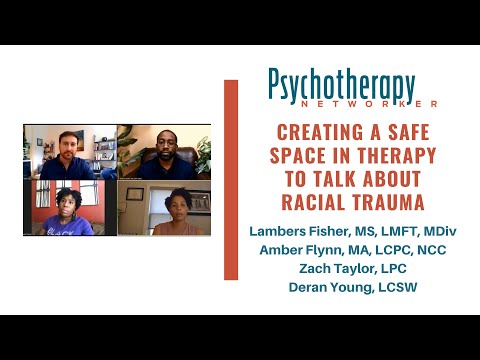
How can white clinicians create a safe space in therapy for clients of color to talk about racial trauma? And if clients don't bring it up, should the... Read more
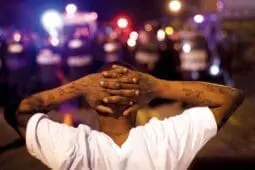
Black people know all too well that their daily experience of racism doesn’t matter unless it interferes with the lives of the white mainstream. As a result... Read more
The movement to offer more free therapy and expand access to treatment gains momentum. Read more
For people of color, the murder of George Floyd reignites centuries of collective grief and trauma. Here, the two founders of Clinicians of Color share some of... Read more
More than ever, therapists can use their role as helping professionals to contribute to positive change in their communities. Here are three important ways we... Read more
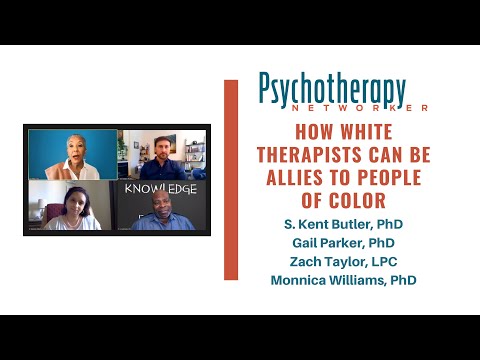
What does it mean to be an ally to people of color? What steps can therapists take to heal race-based trauma and deepen the conversation around racial... Read more
A white therapist recalls a moment from early on in his training, where a misplaced sweater and the open dialogue with a Black colleague that ensued lead to a... Read more
One of the major contributions that the psychotherapeutic community could make now is to begin to engage with racism as a social disease that affects everybody... Read more

A passionate advocate for mental health in underserved communities confronts the question, “Why don’t more black people go to treatment, and why don’t... Read more
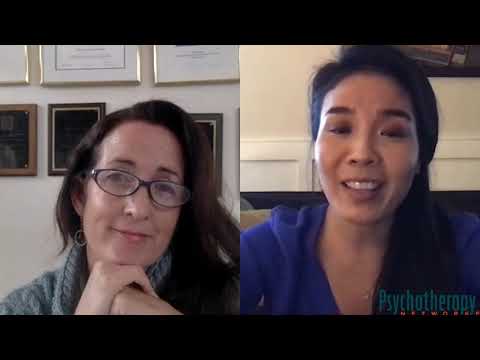
Let's say your client lets a microaggression slip during a session. Do you bring it up? Therapist and author Anatasia Kim shares her eight-step process for... Read more

An interview with Black Therapists Rock's Nicole Thompson about her work as an urban school psychologist treating childhood trauma. Read more
It can be tricky doing therapy in communities where the field’s reputation is mixed, and people often feel more comfortable turning to the church for help... Read more
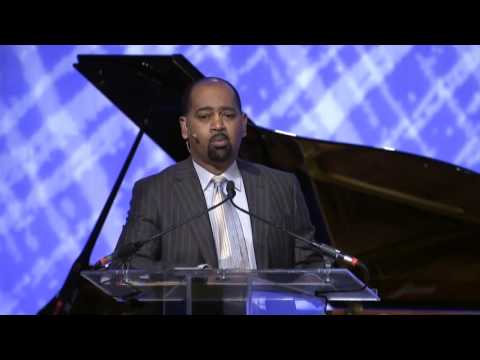
How much has the therapy profession confronted race in America? At what point do therapists need to join the conversation? And how might they do so? In... Read more
Deran Young of Black Therapists Rock talks to Psychotherapy Networker’s Lauren Dockett about what the field can do to fight professional isolation and... Read more
Howard Stevenson’s program promotes “racial literacy” through skills that help us confront unconscious taboos and more effectively read and resolve... Read more

A push to make mindfulness practices more racially sensitive. Read more
Therapy with teenagers has to be about creating and holding a connection. As a therapist, I'm like a spider trying to lure my clients into a web that will... Read more
In its coverage of race-related discord, the media has fixed on lurid images of violence and destruction without providing much context for understanding the... Read more

Kenneth V. Hardy uses basketball to connect with detained youth, transforming resistance into teamwork and discovering life-changing purpose. Read more
Immigration is often a trauma that leaves indelible marks on those who’ve left behind family, cultural values, and status. Perhaps more than any other client... Read more

What minority clients are saying to their therapists after the election, and how therapists are responding. Read more
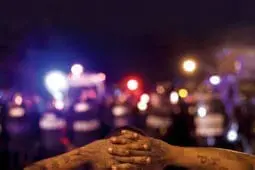
Many poor, young, black people see themselves as trapped behind a wall-less prison with no exits. They know all too well that their daily experience—whether... Read more
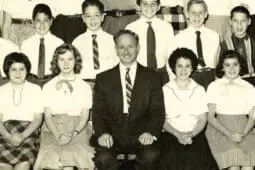
At a time when many are calling for a renewed national conversation about race, an aging, liberal, white New Yorker—who admits he’s never been a party to... Read more

The promise of the community mental health movement of the 1960s, providing high-quality psychological and social services to poor families, remains unfullled... Read more

After the unrest in Ferguson and Baltimore, the Emotional Emancipation movement offers a different way to address racial issues in the African American... Read more
Today I attended a workshop called “Working with Black Couples: Overcoming Myths and Stereotypes,” led by Dr. Christiana Awosan. Being an African American... Read more
.svg)