

Psychopharmacology
Medication is playing an increasingly prominent role in mental health treatment. Yet debates continue to arise around efficacy, overprescription, and other far-reaching impacts. We’re often asked to navigate complex decisions about when to recommend medication, how to support clients as they taper off of prescriptions, and how to best collaborate with prescribers.
Understanding psychopharmacology’s benefits and limitations, from SSRIs to antipsychotics, can help us advocate for our clients while maintaining realistic expectations. These articles explore medication controversies, tapering challenges, the opioid epidemic, common myths around SSRIs, and more.

Psychiatry Has a New Hero
Awais Aftab Envisions a Humbler Approach to Mental Illness
Five ways to talk to your clients about the pros and cons of meds—even if you’re not a psychiatrist. Read more
Americans have a history of valuing quick-fix solutions to difficult problems. But the simplistic psychopharmacological approach to depressive disorders... Read more

In 1986, people being treated for depression were twice as likely to be in therapy as to be taking pills. Now, for every person in therapy, there are four... Read more

Despite the increasing popularity of psychiatric meds as the go-to remedy for everything from seasonal depression to social anxiety, drugs are often not the... Read more

Given the stigma still attached to psychiatric drugs, it’s no surprise that today’s kids might have reservations about taking them. But as a specialist in... Read more

Psychotherapists are usually on the front lines of mental health treatment, trained to spot and assess everything from changes in mood to unusual physical... Read more

How have the practitioners in rural communities been responding to America’s opioid epidemic? Read more

In his latest book, Peter Kramer argues that medications represent the best, most effective tool for fighting the bleakness of depression. Read more

While the number of people in psychotherapy keeps declining, surveys reveal that potential clients would still rather talk to a therapist than fill a... Read more

Sometimes psychoactive medication can work wonders with agitated young clients in the throes of a psychological emergency. But psychiatrist Robert Hedaya, an... Read more

Steven explains that clients are rarely cured by medication or therapy alone. Read more
Over the last 150 years, we’ve seen waves of mass infatuations with psychotropic drugs—antidepressants being the latest. While all these drugs are... Read more
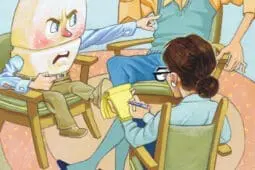
The chemical effect of psychoactive meds is only part of their impact. In fact, people often develop complex relationships with the pills they take. Read more

For many therapists, an air of mystery surrounds the role of psychopharmacology in mental health treatment. Here's a step-by-step tour of the complexities of... Read more

Does our growing understanding of the brain and the prospect of further scientific discoveries mean there’s a new generation of magical pills on the horizon? Read more

After wading through the controversies and contradictions in the research literature on SSRIs, a critic of Big Pharma explains why he thinks these drugs may... Read more

Michael Yapko lays out a variety of reasons why antidepressants are not the solution for every client suffering from depression. Read more
An alarming number of children and adolescents who walk into a psychiatrist’s office in the United States each year walk out with prescriptions for powerful... Read more
With nearly eight million Americans affected by the symptoms of post-traumatic stress disorder (PTSD) and tens of thousands of troops returning from military... Read more

The recent spate of negative research findings and unfavorable media coverage of antidepressant drugs have obscured some important clinical issues. Read more

In the 1970s, the rise of Prozac, the DSM-III, and "evidence-based" therapies brought the appearance of coherence and order to mental health professions under... Read more
Researchers and practitioners alike have long been concerned that Ritalin use in childhood could lead to later drug abuse. But when a University of California... Read more
From the March/April 1999 issue As a psychiatrist and couples therapist, some days it seems as if I never talk about anything but sex. And increasingly, I... Read more
The pharmaceutical industry spends $10 billion on promotion every year. Is it so surprising that talk therapy is disappearing beneath the onslaught of today's... Read more
.svg)