


Play Therapy
Play is children’s natural language for processing experiences too overwhelming or complex for words. Through symbolic play, kids externalize conflicts, master fears, and rehearse solutions in safe, controlled environments. Effective play therapy requires therapists to follow children’s lead, understand metaphorical communication, and resist rushing to interpret. By honoring play’s intrinsic healing power, therapists help children work through anxiety, trauma, and relational wounds without direct confrontation.
These articles explore play therapy fundamentals, working with anxious children, bypassing defense systems, and taking play seriously as a therapeutic modality for healing.

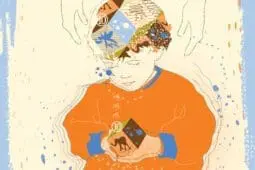

Although they make up nearly a quarter of the population, children are rarely a central part of therapists’ practices. Why? The most effective interventions... Read more

How to use the therapeutic play zone to help young children face difficult situations. Read more

It can be hard to get around your young clients’ defense systems so that the good, therapeutic information gets through. Charlotte has a way to get around... Read more

The child therapist approaches the child who can't play by introducing play activities one step at the time. Read more
.svg)