

The Field
Beyond Chemistry
Exploring Our Relationship with Our MedsThe chemical effect of psychoactive meds is only part of their impact. In fact, people often develop complex relationships with the pills they take. Read more

The Anatomy of a Psychiatric Consult
Solving the PuzzleFor many therapists, an air of mystery surrounds the role of psychopharmacology in mental health treatment. Here's a step-by-step tour of the complexities of... Read more

The Meds of the Future
Waiting for the Next Magic PillDoes our growing understanding of the brain and the prospect of further scientific discoveries mean there’s a new generation of magical pills on the horizon? Read more

SSRIs in Perspective
Have They Lived up to Their Promise?After wading through the controversies and contradictions in the research literature on SSRIs, a critic of Big Pharma explains why he thinks these drugs may... Read more

The Challenge of Becoming the Boss
How to Make a Group Practice WorkMaking a group practice work means taking on the challenge of becoming a boss. Read more
VIDEO: The Hidden Toll of DSM-5 on Psychotherapy
How Increasing Medication Sales Hurt the Therapy ProfessionAllen Frances—author of "Saving Normal: Has Psychiatric Diagnosis Gotten Out of Control?"—is one of DSM-5’s most outspoken critics, but his ultimate... Read more
VIDEO: The Increasing Role of Biology in the DSMs of Tomorrow
How Genetics Shape PsychopathologyRather than continuing to lament the deficiencies of DSM-5, forensic psychiatrist David Mays wants to focus on what's ahead for the psychotherapy field. In his... Read more
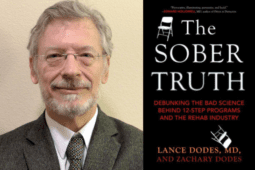
12 Missteps?
The evidence that AA works is many steps behindThe authors of a provocative new book argue that, despite its sterling reputation, alcoholics anonymous has one of the worst success rates in all of medicine. Read more
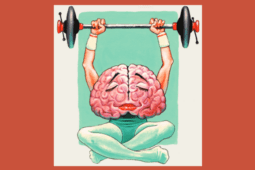
Do Brain Games Build Cognitive Muscle?
Grim Job Prospects for Mental Health GradBrain games and grad prospects Read more
The Case for Neurofeedback
Rewiring the brain in the consulting roomThe increasing popularity of neurofeedback is based on the growing evidence that a wide variety of psychological disorders can be understood as firing mistakes... Read more

Brain Imaging and Psychotherapy
Why is it so controversial?For nearly 20 years, psychiatrist Daniel Amen has led a controversial crusade to make brain imaging an accepted part of psychotherapeutic practice. Read more
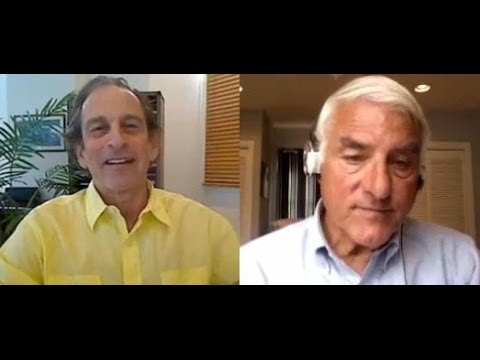
Understanding the Dangers of Diagnostic Epidemics
The Most Powerful Psychiatrist in America on Why DSM-5 Is a Step BackwardAllen Frances learned first-hand how, even when motivated by the best of intentions, changes in the “bible of psychiatry” can have large-scale negative... Read more
VIDEO: How Meeting Condition Criteria Doesn't Equal Mental Disorder
Jack Klott on One of the Diagnostic Changes in DSM-5While the publication of DSM-5 came with many surprises, few were as shocking—or as controversial—as the number of changes made to diagnosis specifiers... Read more
VIDEO: DSM-5 and the Elimination of Disorders
Martha Teater on the Removal of Asperger's from DSM-5Asperger’s no longer exists—at least not in the DSM-5. And there are other changes, like the omission of sexual addiction, that many therapists are... Read more
The Best DSM Ever Written?
Jack Klott, an Advocate for DSM-5, Speaks OutJack Klott discusses the DSM5 and why it's a triumph in the field, despite its flaws. Read more
VIDEO: Is Psychotherapy Becoming Overly Diagnostic?
Allen Frances on Why DSM-5's New Diagnoses Aren't NecessaryOne of the most note-worthy changes in the DSM-5 is the abundance of new diagnoses that are included in this new edition. Many DSM-5 critics worry that this is... Read more
Discover How DSM-5 Will Affect Your Practice
Martha Teater on One of the Major Changes in DSM-5Martha Teater discusses a huge change in the DSM-5 that many therapists are still adjusting to—diagnosis-specific severity scales. Read more

The Cult of DSM
Ending Our Allegiance to the Great GazooLabeling clients with DSM diagnoses is a ritual most of us perform to get reimbursed and pay our mortgages, but few of us actually believe in. Has the time... Read more

The Book We Love to Hate
Why DSM-5 Makes Nobody HappyFrom small insignificant beginnings in 1952, when almost nobody read it, DSM has become a kind of sacred literary monster. Today, it’s the most detested and... Read more

Shedding Light on DSM-5
The View from the TrenchesWhile the polemical debates over the new DSM have received widespread coverage, the reactions of ordinary clinicians have yet to receive much scrutiny. Read more

Soft Shock Therapy
The Art of Speaking the UnspeakableUsing humor to help clients reconstruct their problems, even to the point of making parodies of their own dilemmas, can help some them get distance from their... Read more

Whose Therapy Is It Anyway?
When Your Client Is Uncommitted to ChangeWhen we find ourselves haunted by a particular case, it may mean that we’re more invested in the client making changes than the client is himself. Read more
The Little Things
Love in the Consulting RoomBarbara Fredrickson’s research on the biology of love and positivity demystifies our ideas about the role of intimacy, connection, and resilience in our... Read more

The Debate Over DSM-5: A Step in the Right Direction
A Step in the Right Direction: An Interview with Darrel RegierThe vice chair of the DSM-5 Task Force is bemused that the release of what was intended to be a more accurate and rigorously researched manual has raised such... Read more
The Debate Over DSM-5: A Step Backward
A Step Backward: An Interview with Allen FrancesAs the man responsible for the previous edition, the foremost critic of DSM-5 is perhaps the last person you’d expect to trash this latest, biggest version. Read more
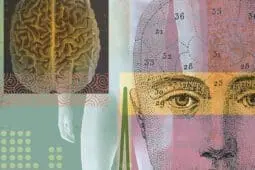
Beyond Phrenology
Let’s Look at How the Brain Really WorksIf therapists are going to bring genuine insights—not just soundbites—from neuroscience into the practice of therapy, they need the nuanced, sophisticated... Read more

What Is This Thing Called Love?
A Whole New Way of Looking at ItMore than any other positive emotion, love resides within connections. It extends beyond personal boundaries to characterize the vibe that pulsates between and... Read more
Psychotherapy and the Affordable Care Act
Ecstasy in the Consulting RoomThroughout the fall, news about the landmark Affordable Care Act (ACA), designed to extend healthcare coverage to millions of the country’s currently... Read more

How Food Improves Mood
Bringing Nutrition into the Consulting RoomLearning even a little about nutrition and diet can greatly enhance therapists’ ability to help clients with mood problems. Read more

Rewriting the Story
Entering the World of the Abused ChildTherapists must offer abused children a different felt experience of who they are. Read more