


The Field

Moments of Meaning
Unexpected Lessons from PracticeThree clinicians share stories of challenging cases that show how the most surprising outcomes often have nothing to do with therapeutic brilliance or... Read more

Life after Trauma
What are the possibilities for post-traumatic growth?The new emphasis on the transformative power of trauma can be a template for false assumptions about the “gift” of suffering and the meaning of recovery. Read more

Personality and Habit Change
Are You an Upholder, Obliger, Questioner, or Rebel?In her first book, The Happiness Project, Gretchen Rubin tried to answer the question “How do I become happier?” With her new book on changing the habits... Read more

How Psychotherapy Helps Us Recover the Beauty in Our Lives
Questions for Helping Therapy Clients Reclaim MeaningMany walk into the therapist's consulting room exactly at the moment that they have been stripped to the core of their being. While not at the physical... Read more
Uncovering the Source of Suicidality with Brain Science
Are Serotonin Levels the Key Factor in Suicidal Depression?I'm at the New York State Psychiatric Institute in northern Manhattan. My guide, Victoria, has been studying the brains of people who committed suicide, and... Read more

Since it was introduced as an anesthetic in the 1970s, ketamine has occupied an uncertain pharmacological status. It’s been used as both a Vietnam-era... Read more

Rediscovering Happiness
The Use of Positive Childhood Triggers in PsychotherapyTo create deep change, we need to help people mine the sources of intense pleasure in their lives, wherever they may find them. Read more

Brave New Couples
What Can Science Tell Us about the Changing Face of Couplehood Today?Susan Johnson, developer of Emotionally Focused Couples Therapy, discusses what the science of love says about what couples can expect when they rebel too much... Read more

Getting Over Weight?
A Critic of our Cultural Obsession Goes Too FarA critic of one of our central cultural obsessions goes too far Read more
Spitting in the Client's Soup
Don’t Overthink Your InterventionsIn our profession, it’s often more alluring to explore new gimmicks than to acknowledge that our success largely hinges on simple, commonsense factors. Read more

What clinical, ethical, and legal issues should we be considering as distance therapy becomes a more common form of practice? Read more

The State of Our Art
Do Our Old Ways Fit the New Times?While the number of people in psychotherapy keeps declining, surveys reveal that potential clients would still rather talk to a therapist than fill a... Read more

It’s time we address the psychological toll of the daily bombardment of information that permeates our lives. Read more

To move forward, our profession needs a more consistent message about what we have to offer. Read more

Manualized psychotherapy is squeezing out people on the margins of mainstream society. Read more

To stay relevant in a changing world, we need to address the engagement styles of today’s prospective clients. Read more
Mary Pipher on Leaving Our Biases outside the Consulting Room
Finding Respect for All ClientsFrom the moment I met the Correys in my waiting room, I was baffled about why they were together. Frank was tall, good looking and suave; Donna dowdy and... Read more
Stronger Medicine
Anti-Depressants Haven't Made Therapy ObsoleteAmericans have a history of valuing quick-fix solutions to difficult problems. But the simplistic psychopharmacological approach to depressive disorders... Read more

The Mindfulness Explosion
The Perils of Mainstream AcceptanceBy replacing the exotic aura of spirituality with the language of science and a down-to-earth self-help approach, mindfulness has brought practices once... Read more

The Reluctant Guru
Staying in the Moment with Jon Kabat-ZinnA Conversation with Jon Kabat-ZinnSince he first developed Mindfulness-Based Stress Reduction in 1979, Jon Kabat-Zinn has not only become a key figure in... Read more

The Fiction of the Self
The Paradox of Mindfulness in Clinical PracticeIf we engage in meditation long enough, we discover that our sense of being a separate, coherent, enduring self is actually a delusion maintained by our... Read more

A Brief History of Anxiety
The Invention of a Modern MalaiseLife today is, in many ways, easier than it used to be. Therefore, shouldn’t we be less anxious than we once were? Read more

The Power of How
Helping Depressed Clients Make Better Choices: An Interview with Michael YapkoOne of the most useful ways of understanding depression is the stress generation model, based on the idea that depressed people need better skills and... Read more

Bubble-Wrapping Our Children
The Perils of Overprotective ParentingWe've become so focused on keeping children safe that we exaggerate the dangers they face despite the fact that they’ve never been safer. Still, no amount of... Read more

The Downside of Happiness
Beware of What You Wish ForAlthough happiness is widely beneficial, organizing one’s life around it can lead to a great deal of effort and time being spent unwisely. Trying too hard to... Read more

Bessel van der Kolk, a leading trauma therapist, takes on the New York Times. Read more

The Power of the Pen in Therapy
Some Journaling Exercises to Enhance Your WorkSome guidelines for bringing the creative power of therapeutic journaling into your work. Read more

Questions of Gender
A therapist struggles with the clinical choices he’s madeA therapist takes an unflinching look at a puzzling case that spanned 14 years, wondering if he made a wrong turn. Read more

The Tribal Classroom
Applying attachment theory in schoolsLou Cozolino believes that attachment theory and neuroscience may offer the key to transforming our troubled educational system. Read more
Falling in Love Again
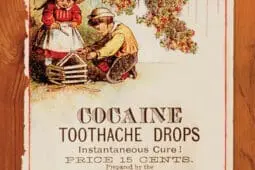
A Brief History of Psychoactive DrugsOver the last 150 years, we’ve seen waves of mass infatuations with psychotropic drugs—antidepressants being the latest. While all these drugs are... Read more