


Holistic & Body-based Techniques
The mind-body connection has often been underemphasized in traditional psychotherapeutic practice, even as evidence mounts that nervous-system regulation and embodiment are central to lasting change.
This category of work highlights clinicians who skillfully integrate body-based healing practices into their existing frameworks. Rather than treating these methods as optional additions, contributors show how approaches like Hakomi and Tapping can function as first-line approaches. These resources help therapists design embodied routines that clients can carry into daily life.



The ears are the fastest route to the nervous system, and more therapists should be aware of the benefits of listening therapies. Read more

How long does it really take to change our minds with the help of a therapist—and our brains and bodies, too? Read more

In the midst of the psychedelic treatment revolution, have we forgotten about Stan Grof’s alternative to facilitating non-ordinary states of consciousness? Read more

Sometimes, transformational growth happens when we least expect it. Read more

As the world embraces the theory of how trauma is captured in the body, clinicians are introducing clients to holistic healing techniques like sound baths and... Read more

In the last few decades, pets who offer company and calm have become therapeutic tools to help people manage their mental health. Read more

A therapist shows how allowing her clients to physically move their bodies in therapy helps them process their emotions. Read more

From her book 'Body Aware' author Erica Hornthal shares mindful exercises that will help with self-regulation of your emotional thermostat. Read more

When our attempts to use logic and reason fail, therapeutic rituals can help clients connect to inner resources for healing. Read more

Joanne Spence, a social worker turned yoga therapist and author of "Trauma-Informed Yoga: A Toolbox for Therapists," talked to Psychotherapy Networker about... Read more

Too often, therapists working with anger focus on controlling and preventing it, rather than finding constructive ways to use it. Bioenergetic therapy regards... Read more

Research shows us that trauma is stored in the body. But how does this happen, and why? Here, trauma expert Janina Fisher explains, and shares how this... Read more

Back in 1979, I was a young dance therapy intern at St. Elizabeth’s, the country’s first federally operated psychiatric hospital, which opened in 1855. St... Read more

Although many therapists are wary of it, using touch in therapy can have a huge impact on your clients’ healing processes. Here, Deb Dana, author of The... Read more
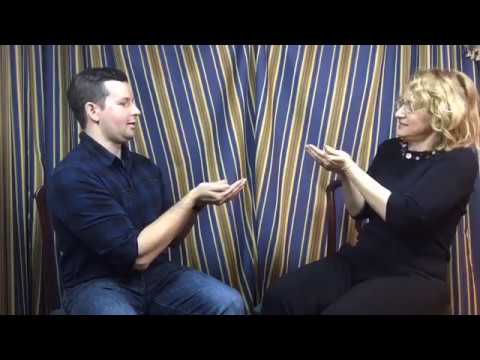
Any therapist who works with kids will tell you that incorporating play in therapy is a great way to break the ice, reduce anxiety, and strengthen the... Read more

Body psychotherapy, once shrouded in controversy, has gained growing acceptance in the wider field. So how do these popular bottom-up approaches actually work? Read more

Peter Levine, developer of Somatic Experiencing, takes us inside his seemingly intuitive approach and reveals the guiding principles that inform his work. Read more

Therapists can flop in their “performance” with clients, coming off as inauthentic or over the top. One former actor discovers how to embody the kind of... Read more

Therapists spend much of the day sitting in a chair. But most don’t consider how the way they sit affects the therapy experience for both them and their... Read more

Polyvagal Theory offers a new kind of somatic road map for guiding both therapists and clients toward safety and connection. It can also empower therapists to... Read more
According to trauma specialist Peter Levine, the body is the therapist's greatest tool in helping clients understand and heal from a traumatic event. So... Read more
Often, traumatized clients find that they become dependent on their therapists to help them handle their extreme emotional states. But according to Peter... Read more
Most therapists recognize that physiological processes hugely influence emotion and behavior. But according to psychiatrist Robert Hedaya, too many tend to... Read more

Increasingly, psychiatrists are recognizing that offering medications as the primary treatment of depression for years and years is simply not working... Read more
Our depressed clients don’t only exhibit their symptoms through speech and vocal tone. You see them in their body language too—in slouching torsos, folded... Read more

What therapists should know about nutrition and the food-mood connection. An interview with Joan Borysenko. Read more

Therapists may be fascinated with harnessing the mind-body connection in their work, but what has science taught us about separating hype from solid evidence... Read more

Rich Simon interviews Amy Weintraub about the use of yoga in therapy. Read more

Ann explains how imbuing body parts with feelings can lead clients to more embodied and clarifying emotional experiences than talk alone can provide. Read more
It’s an article of faith among many somatically-oriented practitioners that the body knows more, knows it more directly, and expresses it more honestly than... Read more
.svg)